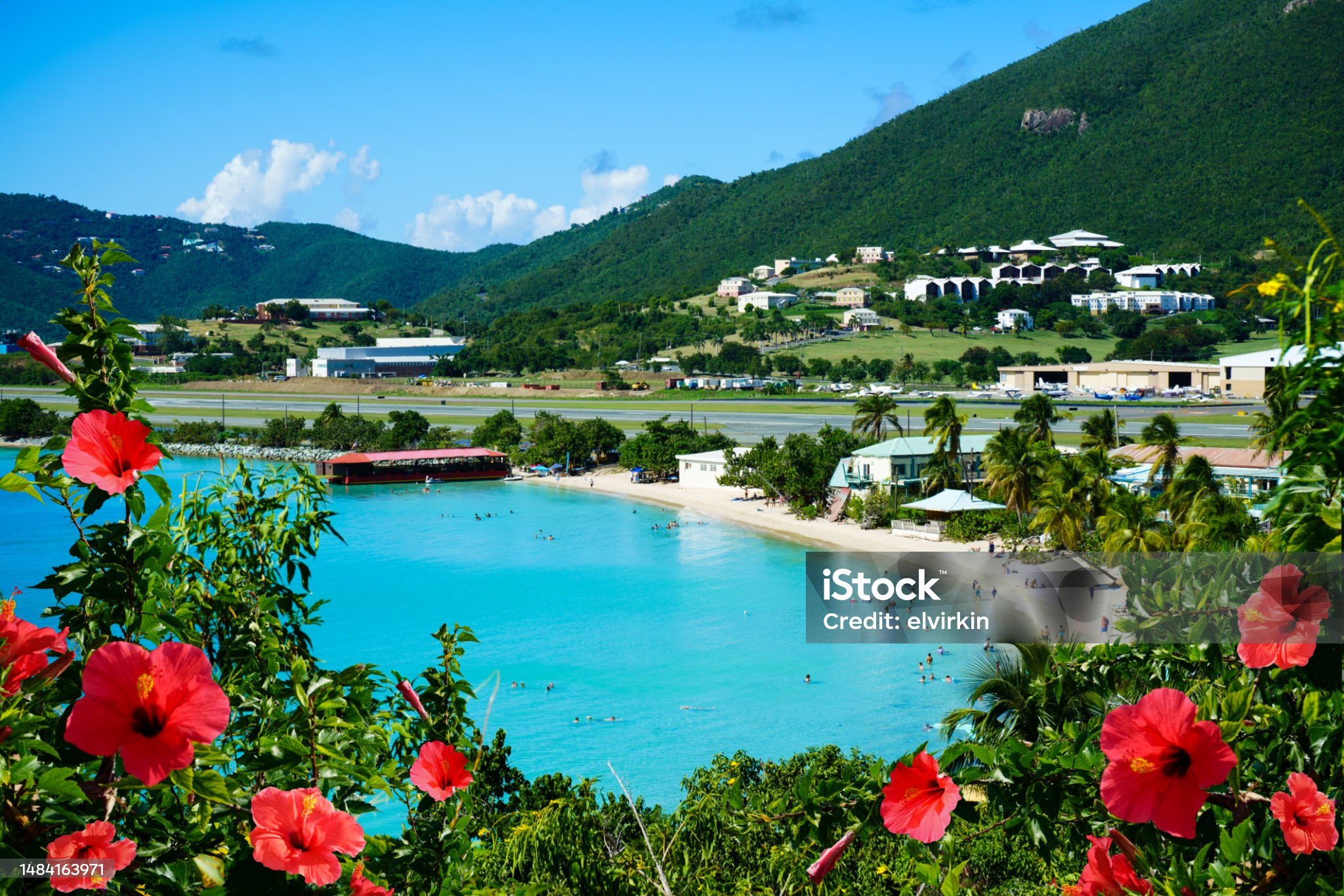



Owning a Caribbean retreat can offer the best of both worlds: a beautiful place to escape when you want it and the possibility of welcoming paying guests while you’re away. For buyers considering St. Thomas, St. John, or St. Croix, that flexibility can make buying a vacation home in the US Virgin Islands particularly appealing.
But purchasing a property you may eventually rent requires a different kind of due diligence. A beautiful view and great location matter, but so do rental restrictions, licensing, taxes, operating expenses, and the practical demands of hosting guests from hundreds or thousands of miles away.
So, can you rent out a vacation home in the US Virgin Islands? Generally, yes—but buyers should understand the requirements and evaluate a property’s rental potential before making a purchase.
At a glance: Starting a vacation rental in the USVI
|
Renting out a vacation home in the US Virgin Islands
One of the most important things to understand about US Virgin Islands vacation rentals is that there’s no single set of rules covering the whole territory. Instead, regulation happens island by island, neighborhood by neighborhood, through a mix of zoning codes, homeowners association rules, and licensing requirements.
Every property needs its own check before you count on being able to rent out a vacation home in the US Virgin Islands the way you’re picturing.
You’ll need a business license
US Virgin Islands vacation rentals include villas, condominiums, and private residences across the territory. However, renting a residential property is considered a business activity. The Virgin Islands Department of Licensing and Consumer Affairs (DLCA) states that owners renting residential units are required to obtain the applicable business license. DLCA’s licensing process includes documentation and reviews that can involve tax clearance and zoning approval, depending on the application.
The DLCA generally defines a short-term rental as an accommodation offered for less than 90 days as a tourist or vacation rental — covering private homes, condos, and villas, but not hotels, motels, or bed-and-breakfasts, which fall under different rules.

Before purchasing a USVI property for vacation-rental use, buyers should confirm its zoning and permitted use.
Check zoning and HOA rules before you assume anything
Even if a property seems perfectly set up for a rental business, don’t assume it’s automatically allowed. Two things can stand in the way:
Zoning
The Virgin Islands Zoning and Subdivision Law governs land use across the territory, and a property’s zoning can affect whether the intended rental use is permitted. Before purchasing a home you plan to use as a vacation rental, confirm its zoning and permitted use with the Department of Planning and Natural Resources (DPNR).
HOA and condo association rules
Some associations restrict or outright prohibit short-term rentals, even in areas where zoning would otherwise allow them. Some newer developments in the territory have explicitly barred short-term rentals to preserve housing for local residents. If you’re hoping to rent out a vacation home in the US Virgin Islands, understanding the governing documents is an important step in your due diligence.
Budget for the taxes
Rental income in the USVI comes with a few tax obligations worth building into your numbers from the start:
Hotel Room Occupancy Tax
Short-term accommodations in the USVI are subject to a 12.5% tax on the gross rental rate. For bookings made through Airbnb, the platform currently collects and remits this tax under an agreement with the USVI government. If you accept bookings through another platform or directly from guests, confirm whether the booking service collects the applicable tax on your behalf or whether you are responsible for collecting, reporting, and remitting it yourself.
Income tax
Rental income may also be subject to USVI income tax, whether you’re a resident or an off-island owner earning income sourced from the territory.
Gross receipts tax
Rental income may also trigger a 5% local gross receipts tax, subject to monthly exemptions and annual filings. Check details on the U.S. Virgin Islands Bureau of Internal Revenue portal.
Tax rates, exemptions, platform collection agreements, and filing requirements can change, so confirm current requirements directly with VIBIR or a qualified USVI tax professional before building a rental income projection.
Talk to your lender and your insurance agent
There are two practical items that are easy to overlook when you’re planning to rent out a vacation home in the US Virgin Islands:
Financing
Financing requirements can differ depending on how you plan to use the property and whether your lender considers it a second home or an investment property. If vacation rentals are part of your plan, it’s probably best to discuss that with your lender during pre-approval.
Insurance
A standard homeowner’s policy may not provide adequate coverage for regular short-term rental activity. Paying guests can introduce different property and liability risks, so tell your insurer how you intend to use the home and ask whether you need an endorsement or a policy designed for vacation-rental use. Don’t assume coverage provided by a booking platform replaces appropriate property insurance.
Other considerations for USVI vacation rental owners

Balancing personal use with rental availability is an important part of USVI vacation-home ownership.
Beyond licensing, taxes, and property-specific rules, think about how the home will work financially and practically once guests begin staying there.
Look beyond the nightly rental rate
An advertised nightly rate for comparable US Virgin Islands vacation rentals doesn’t tell the whole financial story. Operating costs can include:
- Property management
- Cleaning and repairs
- Utilities
- Insurance
- Landscaping or pool service
- Association fees, taxes, licensing, and booking-platform fees
- Furnishings and supplies
Buyers who plan to rent out a vacation home in the US Virgin Islands should focus on realistic net operating expectations rather than rental rates or past occupancy alone.
Consider property management
If you live off-island, consider who will look after the home between visits. Vacation rentals require cleaning, inspections, guest support, maintenance, and restocking. Storm preparation may also be needed occasionally.
A professional property manager can handle many of these responsibilities, but the service adds to operating costs. Even if you manage bookings yourself, having dependable local contacts is important when a guest encounters an urgent maintenance problem.
Balance personal use and rental availability
Think about when you actually want to use the property. Holidays, winter escapes, and other desirable travel periods may also be times when vacation-rental demand is strongest.
Decide whether the home will primarily be a personal retreat that you occasionally rent or a property where rental availability plays a larger role. That can influence everything from the property you choose to how you manage your calendar.
Frequently Asked QuestionsCan I use my USVI vacation home personally and rent it when I’m away? Do I need a business license for a USVI vacation rental? Are short-term rentals allowed everywhere in the US Virgin Islands? What taxes apply to US Virgin Islands vacation rentals? |
Buying a USVI home as a retreat and an investment? Work with a local expert
Buying a US Virgin Islands second home with rental income in mind is a smart, realistic goal for a lot of buyers — but it works best when you go in with eyes open. That’s where working with a local real estate expert makes a real difference. Before you fall for a listing photo, it’s worth having someone go through the details and help you decide whether the property suits your personal and investment goals.
Calypso Realty will help you find a property that fits both your lifestyle and your income goals, and walk you through exactly what to check before you buy. Reach out today at 340.774.1620 or send us an email here to get started.