


In this guide:
- What is living in the US Virgin Islands really like?
- The everyday rhythm of island life
- The cost of living in the US Virgin Islands
- Getting around and accessing everyday essentials
- Finding your place in the community
- Year-round weather and seasonal realities
- Is the US Virgin Islands lifestyle right for you?
- Frequently Asked Questions
- Explore island living with Calypso Realty
A few days in the US Virgin Islands can easily leave you wondering what it would be like to stay for good. You might already be thinking about mornings with the Caribbean Sea just minutes away, spending more time outdoors, or trading familiar mainland routines for something different. But what does life actually look like when you’re no longer visiting?
Living in the US Virgin Islands comes with plenty to appreciate, along with practical adjustments that aren’t always obvious during a vacation. From grocery shopping and getting around to healthcare, household expenses, and local traditions, everyday life on St. Thomas, St. John, and St. Croix has its own considerations.
If you’re thinking about making the move, here’s a closer look at what you can expect from island living, beyond the experiences that first drew you here.
What is living in the US Virgin Islands really like?
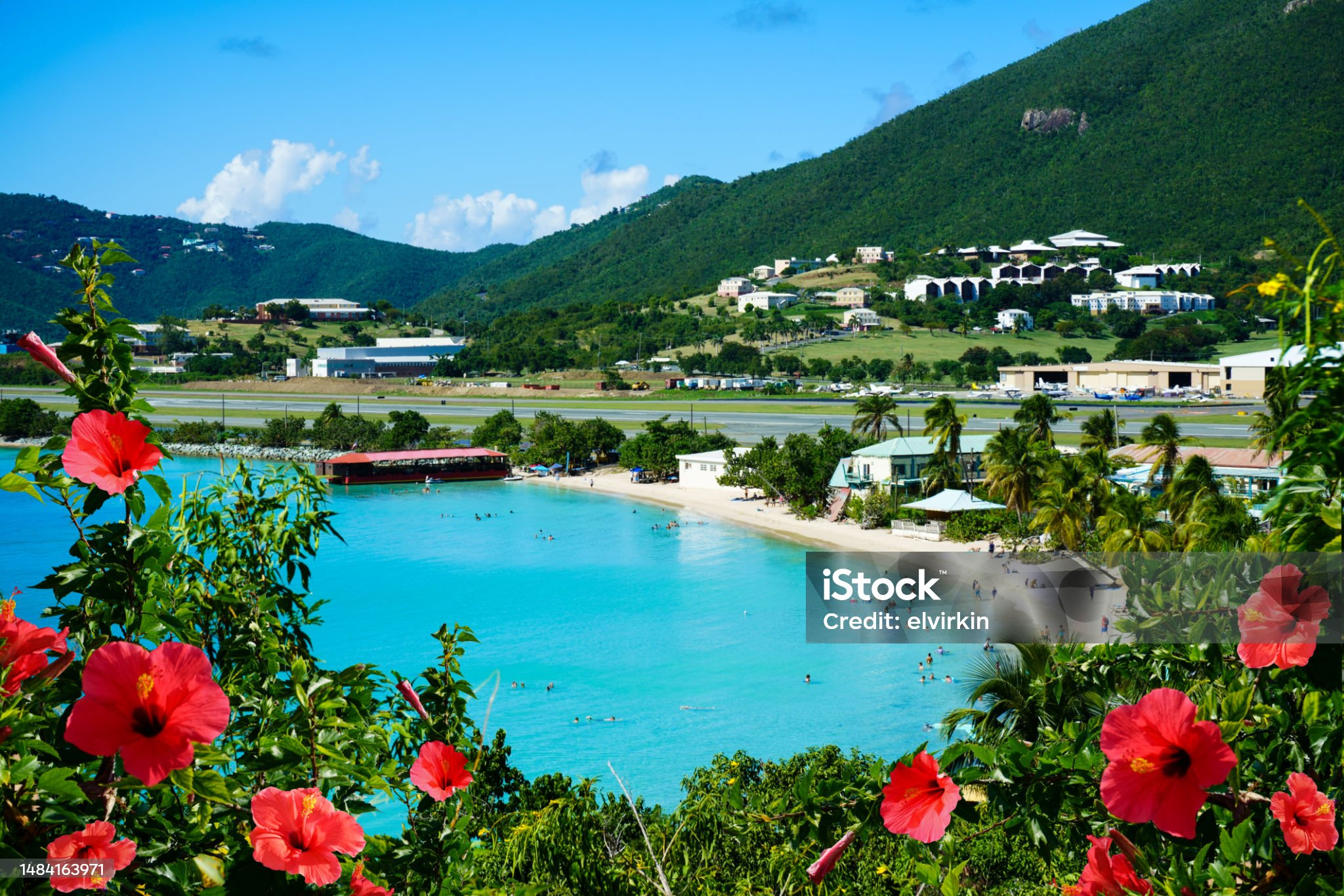
The US Virgin Islands offer an interesting mix of American familiarity and Caribbean culture. As a U.S. territory, the islands use the U.S. dollar, English is the official language, and U.S. citizens can relocate without needing a visa.
Some things will feel familiar right away, but the islands have their own personalities and ways of life.
- St. Thomas has the territory’s busiest commercial centers, with shopping, restaurants, marinas, and established residential neighborhoods.
- St. John offers a quieter residential setting, with much of the island protected as part of Virgin Islands National Park.
- St. Croix has a larger land area, historic towns, agricultural communities, and a strong cultural identity.
Where you settle can influence everything from your morning commute to where you buy groceries and spend your weekends.
For a closer comparison, read our guide to St. Thomas vs. St. John vs. St. Croix.
The everyday rhythm of island life
Living in the USVI means balancing familiar responsibilities with a different set of routines. Your day might begin with an ocean view before heading to work, stopping at a roadside produce stand on your way home, or catching up with neighbors while running errands.
School schedules, commutes, and household responsibilities still shape the week, but the surroundings and local routines give everyday life a distinctly Caribbean character.
Familiar faces and neighborhood routines
Whether you’re visiting a neighborhood restaurant or attending a community event, familiar faces can become part of your routine.
The islands have longstanding communities where family relationships, local businesses, and cultural traditions play an important role. For newcomers, getting to know the people around you is part of becoming familiar with island life.
Of course, living here doesn’t automatically mean a lighter schedule. Tourism, hospitality, retail, and professional services keep many residents busy throughout the week.
Getting used to island logistics
Some mainland conveniences work differently in the USVI. A specific household product might require a trip to another store, and an online order could involve additional shipping arrangements.
Even routine repairs can take longer when a replacement part must be brought in from elsewhere.
Over time, these differences become familiar, but they can be noticeable when you’re first adjusting to the islands.
The cost of living in the US Virgin Islands
The cost of living in the US Virgin Islands is generally higher than in many mainland communities, particularly for groceries, electricity, and imported goods. Shipping costs contribute to higher prices, while housing expenses vary by island, neighborhood, and property type.
What goes into a household budget?
Some of the regular expenses you’ll encounter include:
- Housing: Rental and purchase prices vary by location, property size, condition, and amenities.
- Groceries: Imported foods and household goods often cost more than on the mainland.
- Electricity: Local power costs and air-conditioning use can result in substantial utility bills.
- Transportation: Fuel, vehicle maintenance, insurance, and repairs add to household expenses.
- Home maintenance: Salt air, humidity, and tropical weather can increase upkeep costs.
Electricity is worth a closer look. The Virgin Islands Energy Office identifies the territory’s historical dependence on imported fuels as a major reason for high power costs. Homes with natural ventilation, energy-efficient appliances, and backup power systems may help residents manage these expenses.
Getting around and accessing everyday essentials

Ferries play an important role in transportation between St. Thomas and St. John, connecting residents to communities and essential services across the islands.
When moving to the US Virgin Islands, you’ll find that transportation, healthcare, and utilities operate a little differently from what you may be used to on the mainland.
Transportation and commuting
Although the USVI is an American territory, vehicles drive on the left side of the road. St. Thomas and St. John have steep hills and winding roads, while St. Croix’s larger size can mean longer drives between communities.
Taxis and public transportation serve parts of the islands, but many residents rely on personal vehicles. For inter-island travel, regular ferries connect St. Thomas and St. John. St. Croix is reachable from St. Thomas by flight or ferry, while travelers from St. John generally connect through St. Thomas.
Healthcare and schools
St. Thomas and St. Croix have major hospitals, while healthcare services on St. John are more limited. Some specialized treatments may require travel outside the territory.
Families have access to public and private schools, although programs, enrollment requirements, and transportation options vary by location.
Water, electricity, and internet
Many USVI homes collect and store rainwater in cisterns, sometimes requiring supplemental water deliveries during dry periods. Other properties have public water connections.
Power interruptions can occur, so some homes have generators, solar panels, or battery systems for backup electricity.
Internet and mobile services are available throughout the territory, but coverage and reliability vary by property, something worth noting if you plan to work remotely.
Finding your place in the community
Getting to know the local culture and traditions that make each island distinct can be one of the most rewarding parts of the US Virgin Islands lifestyle.
The territory’s culture reflects generations of Caribbean, African, European, and American influences, evident in its food, music, and celebrations. Carnival on St. Thomas and St. John Celebration, along with St. Croix’s Crucian Christmas Festival, bring communities together through parades, music, and cultural events. Local dishes such as fungi, saltfish, kallaloo, and johnnycakes are also part of the islands’ culinary heritage.
For newcomers, settling in goes beyond enjoying these traditions. Supporting local businesses, attending community events, and getting to know your neighbors can help you feel more at home.
Year-round weather and seasonal realities
Warm weather is one of the USVI’s biggest draws, with tropical temperatures year-round and seasonal variations in rainfall and humidity.
The Atlantic hurricane season runs from June through November, making storm preparedness part of island living. Many homes have hurricane shutters, reinforced construction, water storage, and backup power systems.
Even outside hurricane season, heavy rain, dry spells, humidity, and salt air can affect property maintenance. For those accustomed to mainland winters, the warmth is a welcome change, but the tropical climate comes with its own responsibilities.
Is the US Virgin Islands lifestyle right for you?

The US Virgin Islands lifestyle offers a rewarding Caribbean lifestyle, but finding the right fit means considering both the perks and practical realities of island living.
Living in the US Virgin Islands can be appealing for many reasons, but whether island life suits you depends on your priorities and expectations.
Consider a few questions:
- How important is convenience? Are you comfortable relying on a car, planning errands around available services, and waiting longer for certain deliveries?
- What does your household budget look like? Can you accommodate higher grocery, electricity, and maintenance costs?
- What services do you need nearby? Consider access to healthcare, schools, and other essentials, particularly if you have specific family or medical needs.
- Are you prepared for tropical weather? How would you manage seasonal storm preparation and ongoing property maintenance?
Your answers can help identify which aspects of island living fit your expectations and what might require adjustments before you begin exploring USVI communities and homes.
Explore homes for sale in the US Virgin Islands
Frequently Asked QuestionsCan U.S. citizens move to the US Virgin Islands without a visa? Can you work remotely from the US Virgin Islands? Can you bring pets when moving to the US Virgin Islands? |
Explore island living with Calypso Realty
Finding a home in the USVI starts with understanding which communities and properties suit your everyday needs.
At Calypso Realty, we draw on decades of St. Thomas real estate experience to help buyers explore their options across the USVI. Whether you’re considering a permanent move or a future island residence, call us at 340.774.1620 or send us an email to get started.