

Buying real estate in the US Virgin Islandsmay feel similar to buying on the mainland. However, island properties also come with considerations you may not encounter elsewhere, from cisterns and hillside access to windstorm insurance and off-island property management.
Whether you’re buying a full-time home, vacation property, rental, or land, here’s what to know before you get started.
In this guide:
Who can buy property in the US Virgin Islands?
U.S. citizens can buy property in the USVI without a special permit, and foreign buyers can generally purchase real estate as well. However, owning property doesn’t automatically give a foreign buyer the right to live or work in the territory.
Property records, including deeds, mortgages, and liens, are filed with theUSVI Recorder of Deeds. The process can still take longer than a typical mainland purchase, especially when financing, inspections, title work, and recording are involved.
Start with how you plan to use the property
Before choosing an island or looking at listings, think about how you’ll use the property.
If it will be your full-time home, focus on what will make daily life easier, such as access to work, schools, healthcare, groceries, and reliable roads. For a vacation home, you may care more about beach access, privacy, outdoor space, and how easy the property will be to maintain when you’re away.
An investment property, on the other hand, needs a closer look at rental demand, management fees, operating costs, association rules, licensing, and how the property may perform during slower seasons.
A home may look perfect but still not suit the way you plan to use it. Knowing your priorities early will help your agent narrow the search and ask the right questions before you buy.
Which US Virgin Island is right for you?
The islands may look close together on a map, but living on each one can feel very different. Before you choose based on a favorite beach or a memorable vacation, think about how the island will fit your routines over time.
St. Thomas
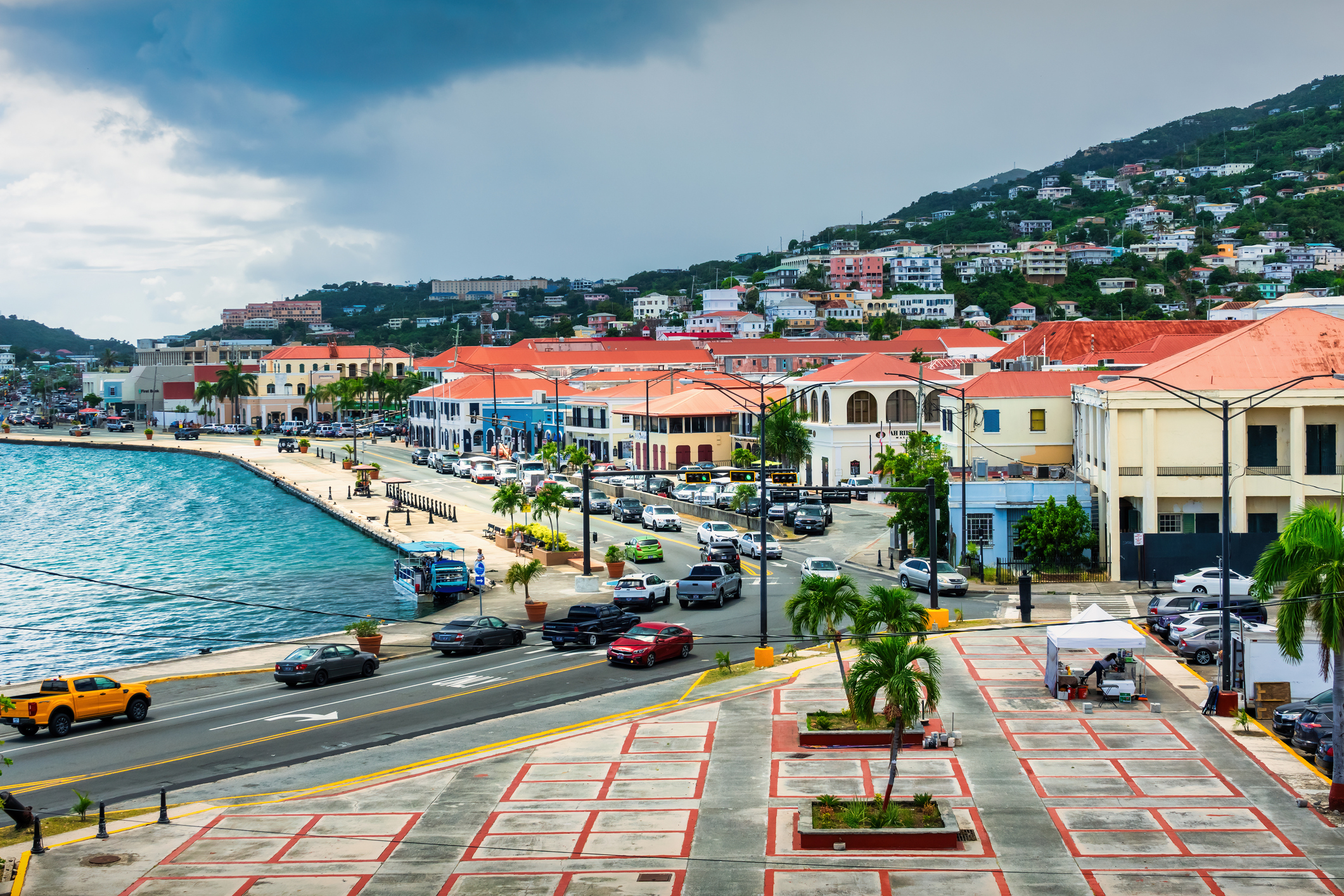
Charlotte Amalie is the capital of the US Virgin Islands and is located in St. Thomas island.
St. Thomas is great for buyers who want to stay close to the airport, shops, restaurants, and professional services. It also has a wide range of properties, including condos, hillside homes, waterfront villas, and homes with rental potential. It’s busier and more developed than St. John or Water Island, which can make errands and appointments easier.
St. John
St. John has a quieter feel, with smaller communities and less development. About two-thirds of the island is protected as part of Virgin Islands National Park, so private land and available properties are more limited. Cruz Bay, the island’s main town, puts you closer to ferries and restaurants, while Coral Bay, a smaller community on the island’s eastern side, feels more removed and laid-back.
St. Croix
St. Croix gives buyers more room to explore. You’ll find historic towns, beach communities, farmland, condos, waterfront homes, and larger parcels of land near Christiansted, Frederiksted, and other parts of the island.
Because St. Croix is larger, the location of the property can have an effect on your routine. A place may not look far from shops or healthcare on a map, but the drive can feel very different in person.
Water Island
Water Island is a small residential island just off St. Thomas. It appeals to buyers who want more privacy and a slower pace without being too far from the services on St. Thomas. Because there are fewer services on the island itself, you’ll need to think carefully about transportation, deliveries, maintenance, and getting supplies to the property.
What types of property can you buy?
The USVI market includes condos, detached homes, luxury villas, multiunit properties, commercial buildings, and vacant land.
Condoscan be a good choice for part-time residents because the association usually handles some of the exterior maintenance. Adetached homegives you more privacy and control, but you’ll also take on more of the upkeep. That may include the structure, landscaping, water system, storm preparation, and backup power.
Buyinglandgives you the chance to build aUS Virgin Islands luxury homearound your needs, but not every lot is easy to develop. Road access, slope, drainage, utilities, zoning, permits, excavation, and the cost of delivering materials can all affect whether a property is a practical choice.
How the USVI home buying process works
EveryUS Virgin Islands home for saleis a little different, but most buyers will go through the same basic steps:
Set a realistic budget
Start with what you’re comfortable spending, not just the amount a lender says you can borrow. In addition to the down payment and mortgage, factor in insurance, property taxes, utilities, and maintenance. Factor in association dues, water-system care, and generator servicing as well, and consider property management if you won’t be living on the island full-time.
These costs can look very different depending on whether you’re buying a condo, a newer masonry home, or an older villa with a large yard.
Talk to a lender who knows the USVI market
Not every mainland lender finances property in the territory, so it helps to work with someone who understands USVI transactions. A local or experienced lender will be more familiar with the appraisal process, insurance requirements, title work, road access, building types, and condominium documents.
Some homes can also be harder to finance because of their condition, construction, access, title history, or insurance options. Getting preapproved early can save you from spending time on properties that won’t meet your lender’s requirements.
Put together a trusted local team
Buying in the USVI often involves more than an agent and a lender. You may also work with a real estate attorney, inspector, insurance professional, and surveyor. Depending on the home, you might need someone to take a closer look at the cistern, septic system, generator, solar equipment, or structure.
Make an offer
Once you’ve found the right property, your agent will help you review important factors that can shape your offer price. These include similar recent sales in the area, the home’s condition, how long it’s been listed, and how much room there may be to negotiate. Your offer may include contingencies for financing, appraisal, inspections, title review, insurance, surveys, or condominium document review.
Complete your inspections and due diligence
A general home inspection is an important start, but it may not cover everything you need to check. Depending on the property, you may want to review:
- The roof, structure, windows, shutters, and storm protection
- The cistern, pumps, filtration system, and water quality
- The septic system
- The generator, solar panels, batteries, and electrical equipment
- Signs of termites or other pests
- Road access and recorded easements
- Property boundaries and surveys
- Permits for additions or renovations
- Drainage, retaining walls, and hillside stability
- Condo finances, insurance, rules, and recent assessments
It’s also smart to look into insurance early. A home may have been insured in the past, but that doesn’t guarantee the same coverage or price will be available to you.
Frequently asked questions about USVI real estate
Do I need to be a USVI resident before buying?
No. You don’t have to live in the USVI before buying property on the islands. U.S. citizens can also move to the territory without a visa, while foreign buyers should speak with an immigration and tax professional about their options.
Can I finance a USVI property?
Yes, financing is available, but not every lender works in the USVI and some properties may be harder to finance. A lender who knows the local market can help you understand your options and spot possible issues early.
Can I buy without visiting the property?
Yes, it’s possible to buy remotely. Detailed video tours, a thorough inspection, careful document review, and a trusted local agent can help you make an informed decision. Still, it’s a good idea to visit in person when you can so you can see the property and get a feel for the surrounding area.
Ready to find the right property in the USVI?
Whether you’re looking for a full-time home, vacation escape, rental property, or land to build on, Calypso Realty is here to help. Our team knows the islands, understands the buying process, and is here whenever you need local guidance.Give ourUS Virgin Islands real estate agentsa call at 340.774.1620 or send us an email here.