

Once you’ve decided to buy real estate in the US Virgin Islands, the next question is usually which type of property makes the most sense. The answer depends on how you’ll use it, how much upkeep you want, and what you hope to get from it over time. Here’s how to compare your options.
In this guide:
- Decide on how you’ll use the property
- Condo: Less exterior upkeep but more shared responsibility
- Villas: More privacy, space, and control
- Waterfront homes: A premium setting with added exposure
- Land: More freedom but a longer road to ownership
- Which USVI property types fits you best?
- Frequently asked questions
- Find the property type that works for you
Decide on how you’ll use the property
Before comparing homes, think about how the property will fit into your plans. Will you live there full-time, visit occasionally, or rent it when you’re away? Do you want a low-maintenance property, or are you comfortable handling a pool, landscaping, storm preparation, and other upkeep?
Your timeline matters, too. A finished home may be ready soon after closing, while buying land to build a house means waiting through design, permits, and construction. These property types can also overlap. A villa may sit directly on the water, while a condo may offer the same beach access and views as a detached home. Instead of focusing on the label alone, take a look at what each property offers and requires from you as the owner.
See our complete guide to buying real estate in the US Virgin Islands here.
Condo: Less exterior upkeep but more shared responsibility
Condos are a popular choice for buyers who won’t be in the USVI year-round. The association usually takes care of the common areas and at least some exterior maintenance, which can make the property easier to manage when you’re off-island.
Many condo communities also offer amenities such as pools, beach access, landscaping, parking, security, or on-site management. Depending on the US Virgin Islands condo complex, the monthly fee may also cover water or other shared services.
What condo ownership involves
The tradeoff is that you won’t have complete control over every part of the property. Association rules may limit rentals, pets, renovations, parking, or how the unit can be used. You’ll also be tied to the financial health of the entire community. If the association hasn’t set aside enough for insurance, repairs, or major projects, owners may face higher dues or a special assessment.
What to review before buying
A remodeled unit may look great, but the condition of the overall property matters just as much. Ask to review:
- The association’s budget and financial statements
- The master insurance policy
- Reserve funding
- Recent meeting minutes
- Past or planned special assessments
- Rental and owner-use rules
- What the monthly fee does and doesn’t cover
Villas: More privacy, space, and control
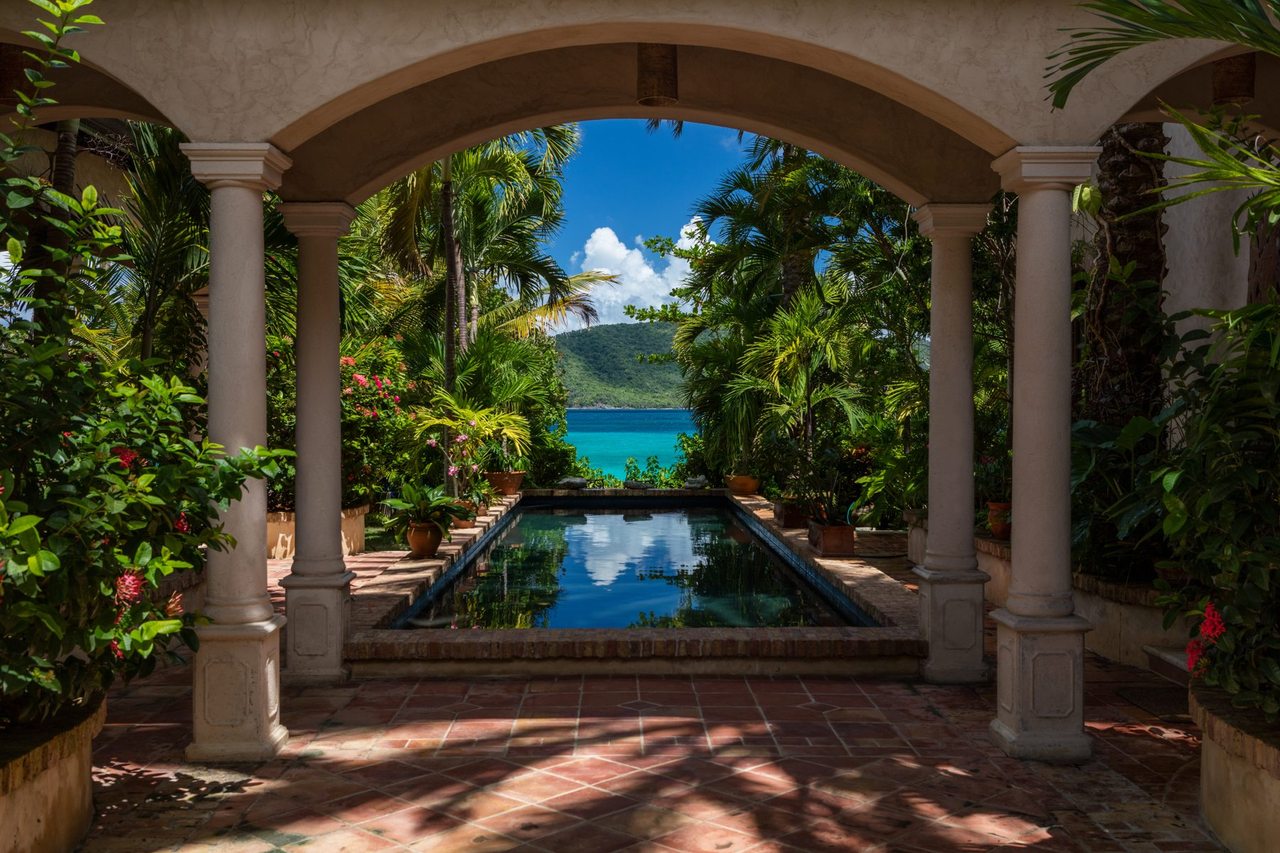
The villas in USVI offer more privacy, space, and room to enjoy island living.
In the US Virgin Islands, a villa is usually a detached home built around the view, outdoor living, and privacy. Some are fairly simple, while others are larger luxury properties with pools, guest suites, and plenty of room for entertaining.
Covered terraces, outdoor dining areas, and separate spaces for guests are common. In many island homes, those outdoor areas are just as important as the interior.
Why buyers choose villas
A villa gives you more privacy and freedom than a condo. You’ll usually have more say over renovations, landscaping, storm preparation, and how the property is used. Villas can also work well for buyers who want space for family and friends or a layout that could support vacation rentals.
What ownership involves
With more control comes more responsibility. Depending on the property, you may need to maintain:
- The roof and exterior
- Landscaping and pest control
- The cistern and water system
- Septic equipment
- The pool
- Solar panels, batteries, or a generator
- Driveways, gates, and retaining walls
- Storm preparation and cleanup
Waterfront homes: A premium setting with added exposure
In the USVI, “waterfront” can mean a few different things. Some homes sit right on a sandy beach, while others overlook a rocky shoreline or sheltered bay. A property may include a private dock or path to the water, while others offer sweeping views without direct access.
Why buyers choose waterfront homes
Waterfront homes are among the most sought-after—and often most expensive—properties in the USVI because truly direct waterfront locations are limited. For many buyers, the appeal lies in stepping outside to swim, snorkel, kayak, or boat without traveling far from home. A US Virgin Islands waterfront home also offers panoramic views, cooling trade winds, and strong demand as vacation homes or luxury rentals.
The tradeoff is greater exposure to salt air, storms, and higher maintenance costs. For buyers who prioritize scenery over direct access, a home farther inland may provide many of the same island lifestyle benefits with a lower purchase price and easier upkeep.
What requires a closer look
Living close to the water usually means more exposure to salt, wind, moisture, flooding, and erosion. Windows, railings, air-conditioning equipment, outdoor furniture, and even vehicles may wear down faster.
During your inspection and due diligence, take a close look at:
- Elevation and flood exposure
- Seawalls and retaining walls
- Drainage and signs of erosion
- Rust or corrosion on metal and mechanical systems
- Windows, doors, and storm protection
- Dock rights and permits
- Insurance options and deductibles
- Stairs or paths leading to the water
Land: More freedom but a longer road to ownership
Buying land gives you the chance to build a home around the way you want to live. You can choose how the house sits on the lot, which direction it faces, and how the design makes the most of the views and trade winds. You can also add features that are harder to find in an existing home, such as a guest suite, owner’s storage, or covered outdoor living areas.
What to check before buying
Before you purchase land, find out:
- How steep the lot is
- How much of it can actually be built on
- Whether legal and physical road access are in place
- Which easements affect the property
- What zoning and setbacks allow
- How water, power, and septic will be handled
- Whether future construction could block the view
- What it’ll cost to bring equipment and materials to the site
A lot may have a beautiful view and still be difficult or expensive to develop. That’s why it’s best to bring in a local architect, engineer, surveyor, or contractor so you have a better idea of what the build will involve.
Which USVI property types fits you best?
The best choice comes down to how you plan to use the property, how much upkeep you want, and what kind of ownership experience feels right for you. Each option has its own advantages, but the tradeoffs can look very different once you factor in maintenance, privacy, costs, and long-term plans.
- A condo may be the right choice if you want shared amenities and less exterior upkeep. Just take time to review the association’s finances, insurance, rules, and any recent or planned assessments.
- A villa may suit you better if you want more privacy, room for family and guests, and greater control over the property. You’ll also be responsible for more of the maintenance.
- A waterfront home could make sense if being close to the sea is a top priority. Keep in mind that the setting may come with higher insurance costs, more exposure to the elements, and extra upkeep.
- Land gives you the most freedom to create the home you want, but it also comes with a longer timeline and less predictable costs.
Explore properties for sale in the US Virgin Islands with Calypso Realty.
Frequently asked questions
Can foreign buyers purchase property in the USVI?
Yes. Foreign buyers can generally purchase real estate in the USVI. However, owning property doesn’t automatically give someone the right to live or work there, so it’s best to speak with an immigration and tax professional.
Is it harder to finance land than a finished home?
Sometimes. Land loans may require a larger down payment and come with different terms than a home loan. You may also need separate financing to build.
Can any USVI property be used as a vacation rental?
No. Condo rules, deed restrictions, local regulations, and licensing requirements may limit short-term rentals. Always confirm what’s allowed before counting on rental income.
Find the property type that works for you
A condo, villa, waterfront home, or piece of land can all offer a very different way to own property in the USVI. The right choice comes down to how you’ll use it, how much maintenance you want to take on, and what you’re comfortable spending over time.
Calypso Realty can help you sort through the choices and focus on properties that match your plans. Reach out to the team at 340.774.1620 or send us an email when you’re ready to explore US Virgin Islands real estate.