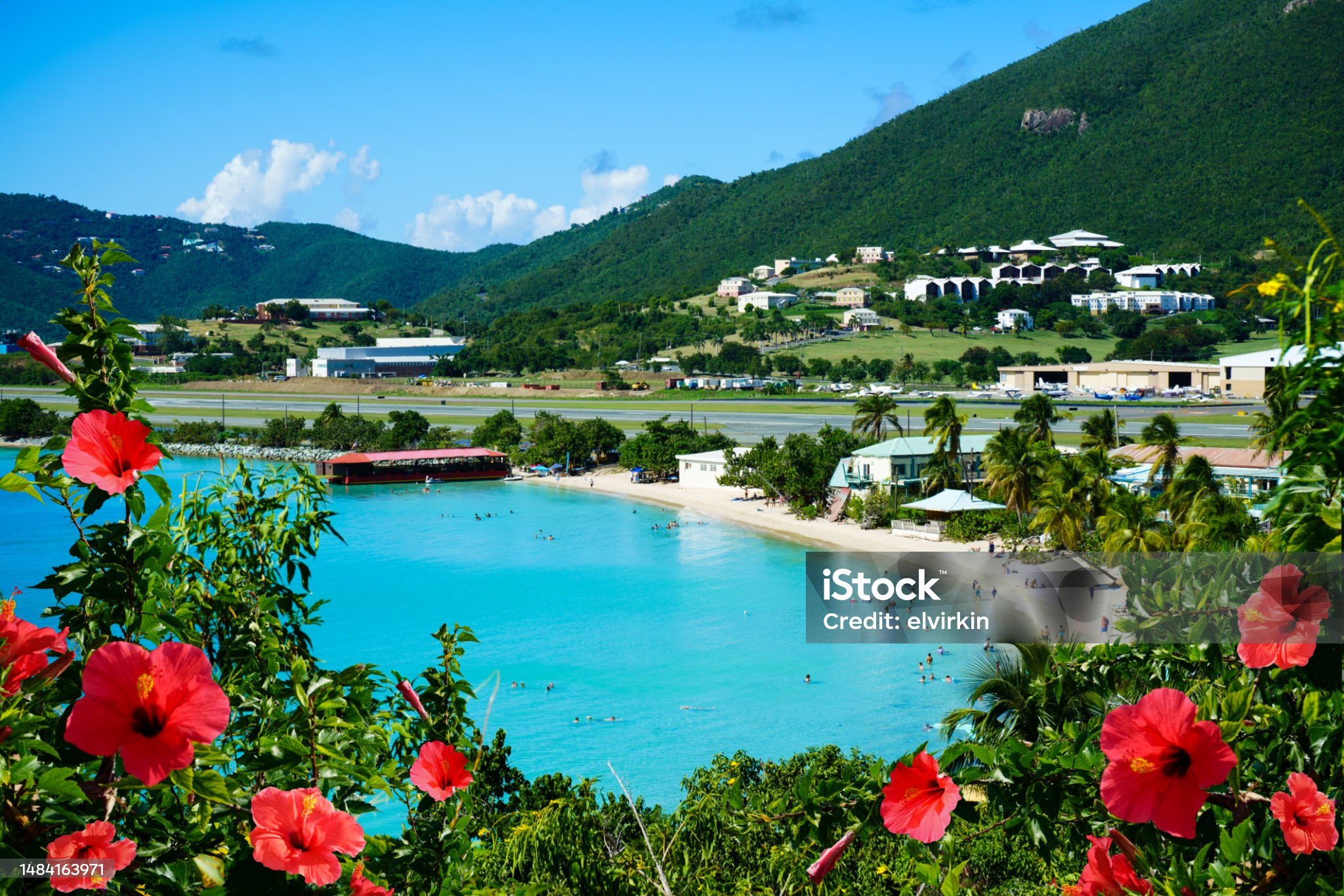
Buying property in the U.S. Virgin Islands can be different from buying on the mainland. Financing, insurance, cisterns, closing costs, and property maintenance are all worth understanding before you start looking.Start with your budget, how you plan to use the property, and what you’re comfortable taking on as an owner.
Why are you buying property in the USVI?
Think about how you plan to use the property before you start comparing listings.A full-time resident may care most about access to work, schools, healthcare, shopping, and reliable roads. A second-home buyer may be more focused on privacy, views, beach access, and how the property will be maintained while they’re away.Investment buyers should also consider rental demand, operating costs, association rules, property management, and upkeep. You can alsocompare condos, villas, waterfront homes, and land in the USVI before narrowing your search.
How much can you comfortably spend on a USVI property?
Plan for more than the purchase price. Depending on the property, your costs may include insurance, inspections, attorney fees, property taxes, association dues, utilities, maintenance, and other closing expenses.If you’ll need financing, get preapproved before you start making offers. Calypso Realty’sPreparing to Buy guide covers some of the financial documents and preparations you may need.
Can you finance real estate in the US Virgin Islands?
Yes. Financing is available, although not every mainland lender works with USVI properties. A lender familiar with the territory will already understand local appraisal, insurance, title, and property requirements. The condition of the property, road access, construction, insurance availability, and condo documentation may also affect financing.Speak with a lender early so you know what you qualify for before making an offer.
What should you know about insurance before buying?
Look into insurance early in the process. Coverage and cost can depend on the property’s construction, roof, shutters or impact-resistant windows, elevation, condition, and location. Buyers using financing will also need to meet their lender’s insurance requirements.Don’t assume the current owner’s coverage or rate will carry over to you. Get insurance information for the property before you commit.
What is a cistern, and why does it matter when buying in the USVI?
Many St. Thomas homes use cisterns to collect and store rainwater. Buyers should check the condition of the cistern, pumps, filtration system, and plumbing. Generators, solar equipment, septic systems, hurricane shutters, and other storm-protection features may also need a closer look.Calypso Realty’stips for first-time homebuyers on St. Thomas covers more of the property systems buyers may encounter here.
How are real estate closings handled in the USVI?
USVI real estate transactions typically involve local attorneys. Your attorney may handle contract and title matters, closing documents, and the transfer of ownership. Deeds and other real estate documents are recorded through the USVI Recorder of Deeds.Financing, title work, inspections, surveys, insurance, and document preparation can all affect the closing timeline. For a broader overview, read Calypso Realty’scomplete guide to buying real estate in the US Virgin Islands.
What should buyers know about transfer tax and closing costs?
Budget for expenses beyond your down payment and purchase price. Depending on the transaction, buyers may pay for inspections, attorney fees, recording expenses, insurance, appraisal fees, and other closing costs.The Virgin Islands also charges a stamp tax when real property is transferred. Who pays it can be negotiated between the buyer and seller, so review the purchase agreement with your agent and attorney.
Why does local representation matter when buying in the USVI?
A local agent can help you evaluate more than the price and the view. Road access, cisterns, generators, storm protection, property boundaries, insurance, condo requirements, and maintenance can all affect whether a property makes sense for you.Your agent can also help coordinate with lenders, attorneys, inspectors, insurance providers, and surveyors during the transaction. If you’re still choosing representation, Calypso Realty’s guide tochoosing a real estate agent is a good place to start.
What if you need to sell before you buy?
If your next purchase depends on selling a property you already own, work out the timing before you start making offers. Your expected proceeds, financing, and ability to carry two properties may all affect your options. If you need to sell first, start with Calypso Realty’sDeciding to Sell guide.